My dog got spooked by fireworks and ran away. Now what?
Do not turn the first hour into a search party. Stay where the dog was lost, keep people from chasing, and save sightings as map pins so the information does not get lost.
Fireworks can make a normal dog act like a completely different animal. The first job is to stop people from chasing and get the information in one place.
Last updated June 30, 2026
Short answer
If fireworks scared your dog and they ran, start with the last known location. Write down the time, the exact spot, and the direction they went. Keep one person near the escape point in case the dog circles back. Tell everyone else not to chase, yell, whistle, or crowd the dog if they see them.
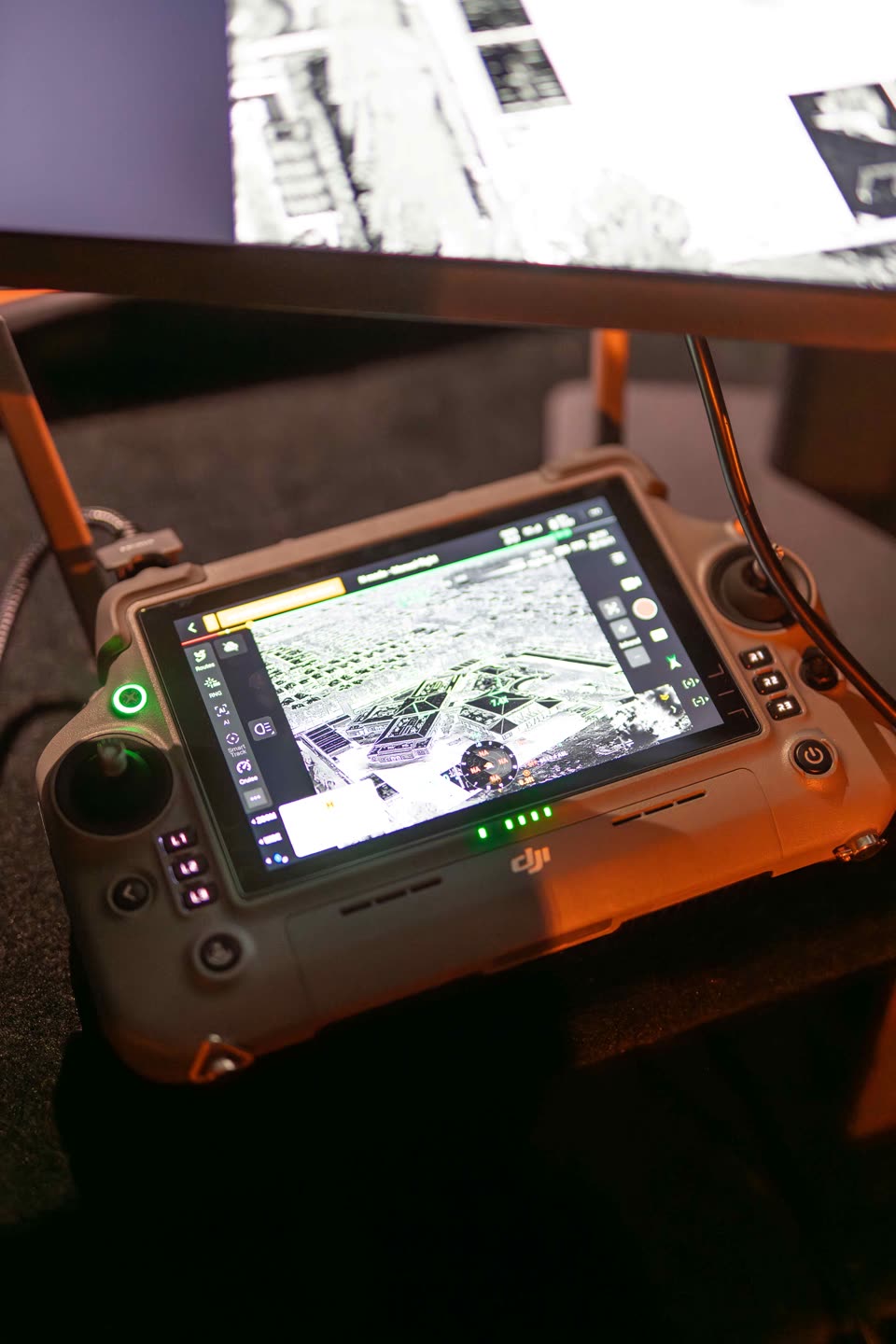
Save sightings as pins in Google Maps, with the time and direction in the note. Ask for doorbell camera footage, post on PawBoost, Nextdoor, local Facebook groups, and neighborhood groups, put flyers up, and check shelter intake pages to see if your dog shows up. Keep your phone ringer on, check spam and filtered messages, and watch for lost pet scams. If there is open terrain, a wash, canyon edge, hillside, field, or large property near the last sighting, call quickly about a thermal drone search. The faster the area is checked, the less time the dog has to leave it.
Write down the exact last known location, time, and direction of travel.
Keep one person near the escape point, front door, gate, or car.
Check around the house first: under furniture, behind couches, closets, the garage, side gates, sheds, under cars, and anywhere your pet may be stuck or hiding.
Send one photo and one phone number to neighbors. Keep it short.
Tell people: "Please do not chase. Call or text the location and direction."
If your dog has a tracker, screenshot the latest ping and note the time.
The goal is not to cover a bunch of ground. You do not want a group spreading scent everywhere, especially if your dog does not know the area. Get posters up, post online, and keep someone where the dog was lost.
A firework-scared dog may not respond normally
Your dog may ignore your voice. They may run from you. They may hide close by and stay silent. They may bolt across streets, cut through yards, follow fence lines, go toward open land, or bed down somewhere that makes no sense on a normal day.
That is fear behavior. Loud fireworks can stack pressure on top of pressure, especially if the dog hears more booms while already loose. When that happens, calling louder or sending more people after the dog usually makes things worse.
If someone sees the dog, the best sighting is boring and detailed: time, exact location, direction of travel, whether the dog was running or walking, and whether they looked injured. A blurry doorbell clip with the direction of travel is often more useful than five people running around calling the dog's name.
Do not chase
Chasing a scared dog can push them across traffic, into a canyon, through another neighborhood, or out of the search area completely. Even friendly dogs can flip into survival behavior when they are scared.
If you see your dog and they are not coming to you, do less. Turn sideways. Get low. Avoid direct eye contact. Let the dog come to you. If you have food, place it low or toss it away from your body, then wait. If the area is unsafe, call for help and keep visual contact from a distance if you can do that safely.
The first hour
Use the first hour to get information in the places where people will actually see it:
Save every sighting as a Google Maps pin with the time, address or cross street, and direction of travel.
Ask neighbors on the first few streets for doorbell and security camera clips.
Post on PawBoost, Nextdoor, local Facebook groups, and neighborhood groups with one clear photo and "do not chase" instructions.
Put up flyers that are readable from a car. Big photo, big phone number, last seen area.
Check local shelter intake pages, call animal control, and keep checking. Do not rely on one phone call.
Keep your phone ringer on and check spam, filtered messages, and message requests.
Update the microchip company and confirm your contact number is current.
Bad information wastes time. A good sighting narrows the map. Mark which leads are confirmed by video or by a person who clearly saw your dog.
Open land, trail edges, washes, fields, and large properties are the kinds of places where a thermal drone may help after a recent sighting.
Trackers are clues, not proof
AirTags are better than nothing. They are small, the battery lasts a long time, and there are a lot of iPhones in Southern California. But an AirTag is not a GPS tracker. It is basically a Bluetooth beacon saying "I am here" and waiting for a nearby Apple device to hear it. The phone supplies the location, not the AirTag.
That means an AirTag update can be a great clue, especially near houses, apartments, parks, shopping centers, and busy streets. It can also be stale. If no iPhone has passed close enough, you may have no update at all. If the dog is in brush, hills, or a quiet industrial area at night, the AirTag may not help until someone gets near it.
Cellular GPS collars like Fi-style trackers are closer to what most people think of as tracking. They use GPS for location and a cell network to send that location to an app. That can be extremely useful, but they need battery, sky view, and cell service. Radio-based hunting dog systems can work without cell service, but they require the dog to be wearing that equipment before they get loose.
Many dogs circle back toward the escape point, home, the sitter's house, the car, a familiar walking route, or a place they have been before. If it is safe, keep the return path quiet and open. Do not turn the driveway into a crowd scene.
Leave a gate or door plan with a person watching. Do not create a way for other pets to escape.
Put out water and familiar scent items where they will not pull the dog toward traffic.
Keep voices low. A scared dog may approach a quiet area and avoid a loud one.
If the dog is repeatedly seen but will not come in, consider a trap plan with experienced help.
Food can help, but dumping food everywhere can also scatter the dog's movement and attract wildlife. Be intentional.
When to call about a thermal drone search
Call quickly if the dog ran toward open terrain, a canyon, a wash, a hillside, a field, a golf course edge, a large property, a trail system, or thick brush next to a neighborhood. Also call if you have a fresh tracker ping or a credible sighting that creates a search box.
Speed matters because dogs move. A search area that is tight at 9:00 PM can be too broad by sunrise. The sooner we can look at the terrain, wind, temperature, airspace, access, and last known point, the sooner we can tell you whether a drone launch makes sense.
A thermal drone can cover open areas faster than people walking with flashlights. It can spot heat signatures that an RGB camera or human eye may miss at night. It still has limits. Heavy tree cover, roofs, garages, patios, apartment complexes, traffic, flight restrictions, weather, and unsafe launch areas can limit or prevent a drone search.
If you want a fast answer on whether a drone search makes sense, send this:
Your dog's name, size, color, and a clear current photo.
The exact last known location, preferably a dropped pin.
The time they got out and the time of every confirmed sighting.
The direction of travel after each sighting.
Tracker screenshots, with the timestamp visible if possible.
Any hazards: traffic, cliffs, locked gates, livestock, coyotes, or private property issues.
Whether the dog is friendly, skittish, bite-risk, injured, deaf, old, or wearing a leash.
The more precise this is, the less time gets burned searching the wrong place.
If it is late at night
Night can be useful for thermal search because the ground cools down and there may be less human activity. It can also be harder for owners because judgment gets worse when everyone is exhausted.
Keep the search quiet and organized. Avoid sending a crowd into open land. Avoid shining lights into every yard unless you have permission and a reason. Keep checking camera footage and recent sightings. If the dog is hiding, noise can keep them hidden. If the dog is moving, noise can push them farther.
References worth reading
These are general pet safety and lost-pet resources. Use local shelter, animal control, and veterinary advice for your exact situation.
Some dogs do circle back, especially once the noise drops. Keep the return area quiet and watched, but do not only wait. Save sightings, check shelters, ask for camera footage, and get flyers out.
How far can a dog run after being scared by fireworks?
It depends on the dog, terrain, traffic, fences, and whether more fireworks keep pushing them. Some dogs hide close. Others travel miles. That is why confirmed sightings and direction of travel matter more than guessing a perfect radius.
Is a drone always the right move?
No. A drone is most useful when there is a defined area to search and the terrain is visible from the air. Dense neighborhoods, garages, heavy tree cover, and no recent sighting may need flyers, cameras, shelters, and trapping strategy first.
Should I post a reward?
A reward can motivate calls, but it can also attract bad leads and scammers. If you offer one, keep the flyer simple, do not send money before recovery, and ask callers for exact details before giving out more information.
Need help right now?
Call or text 909 784 5240. Send the last known location, recent sightings, tracker screenshots, and a clear photo. If the area can be checked by thermal drone, moving quickly gives us a better shot at checking the right place while it still matters.