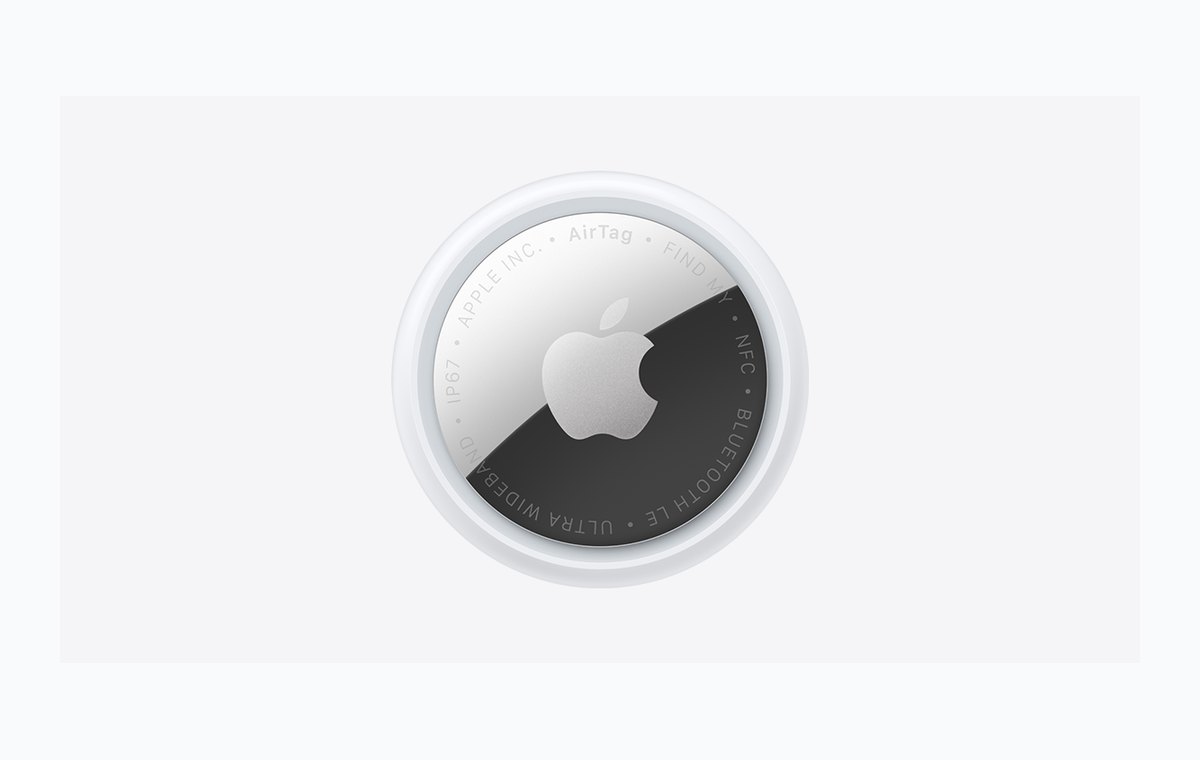
 Apple AirTag
|
Bluetooth item tracker for Apple's Find My network. |
The AirTag broadcasts a rotating Bluetooth identifier. A nearby iPhone or Apple device in the Find My network detects it, uses that Apple device's location, and uploads the detection to Find My. The location shown in the app comes from the detecting device, not a GPS chip inside the AirTag. |
No built-in GPS. No cellular connection. Needs a nearby Apple device to update. Location can be stale in canyons, open fields, industrial areas, or anywhere with no phones close by. |
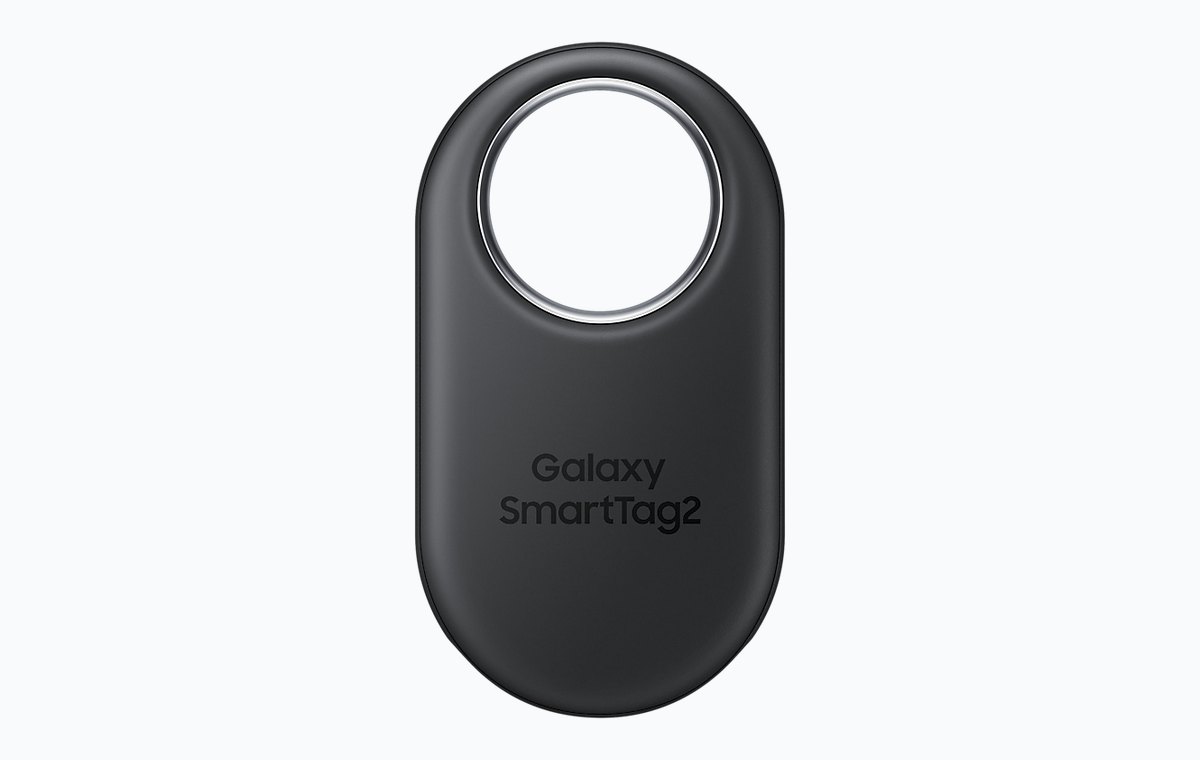 Samsung Galaxy SmartTag2
|
Bluetooth item tracker for Samsung SmartThings Find. |
The SmartTag2 sends out a Bluetooth signal. Nearby Samsung Galaxy devices that participate in SmartThings Find can detect it and report where it was seen. The phone or Galaxy device supplies the location. Ultra Wideband can help with close-range finding on supported phones. |
No built-in GPS. Needs nearby Galaxy devices. Works best if the owner and the area are heavy Samsung users. Updates can be old or missing in empty areas. |
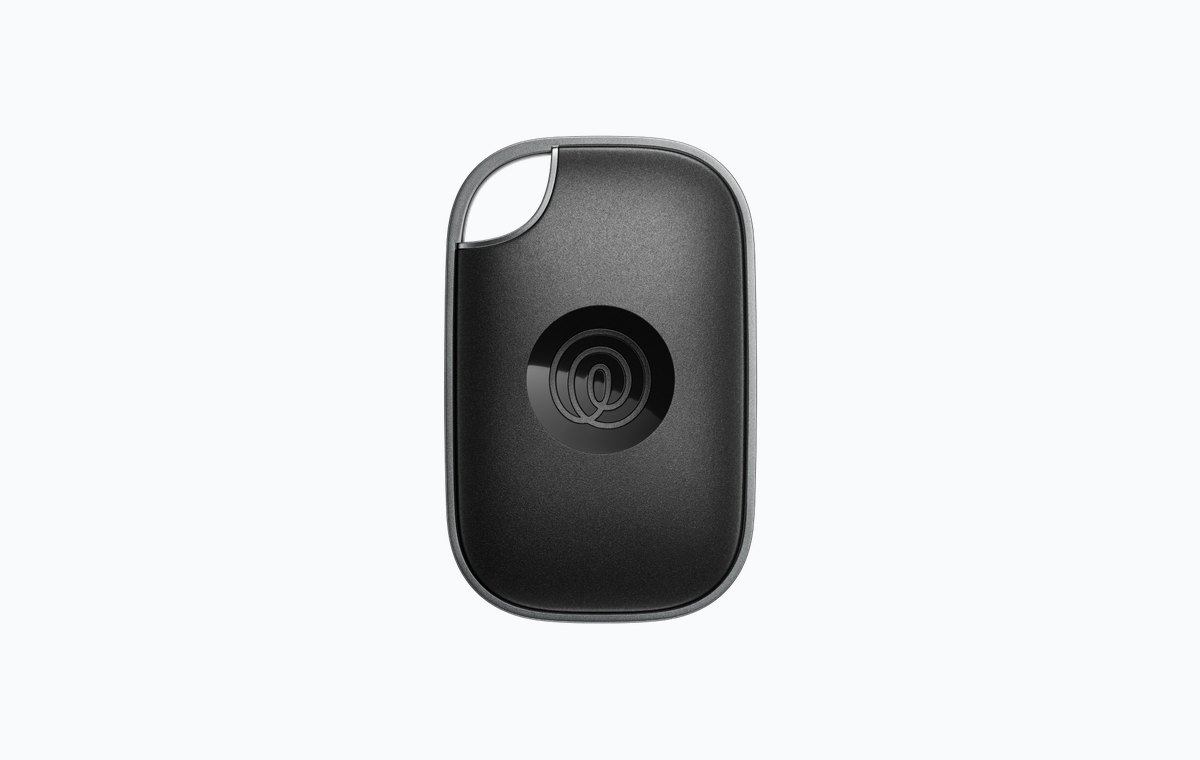 Tile Pro by Life360
|
Bluetooth item tracker using the Tile and Life360 network. |
The Tile Pro broadcasts over Bluetooth. Your phone can find it when close, and nearby phones running Tile or Life360 can update its last seen location when they pass close enough. |
No built-in GPS. Depends on nearby Tile/Life360 users. Not a live dog tracker. A dog in open land can move without triggering any update. |
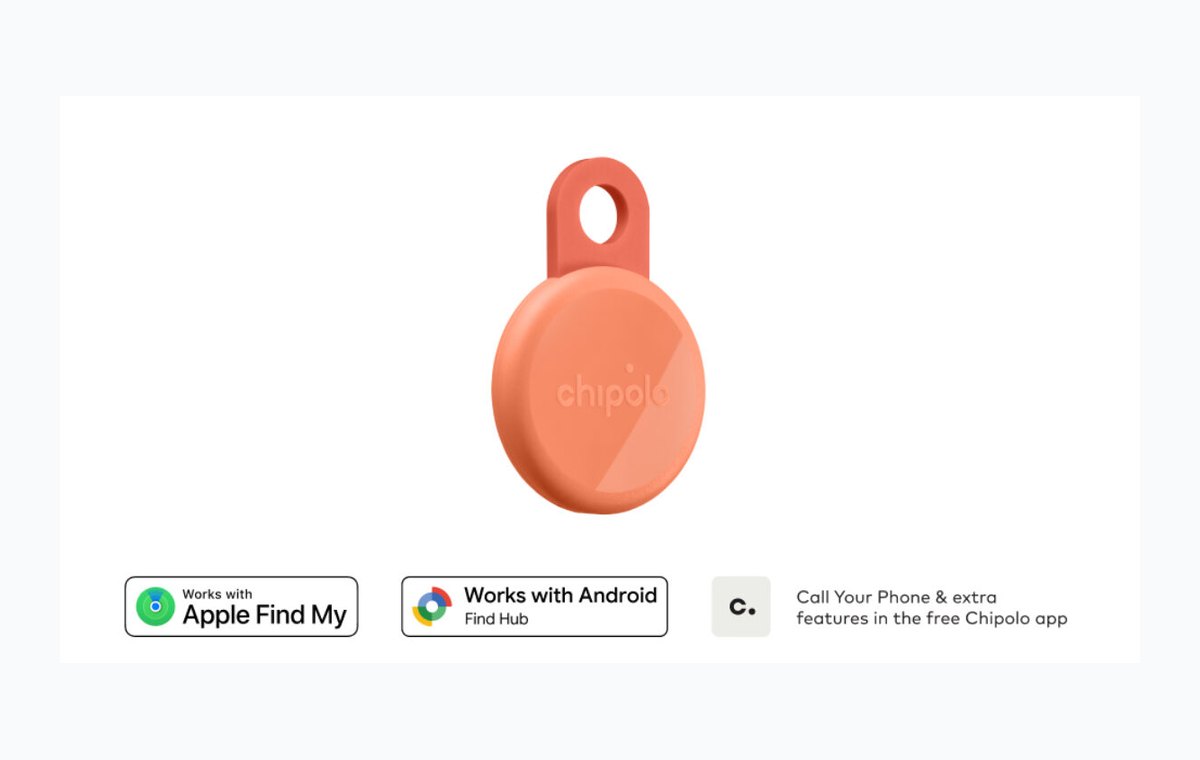 Chipolo LOOP
|
Rechargeable Bluetooth tag that can be set up with Apple Find My or Find Hub on Android. |
The LOOP works like a Bluetooth beacon. After setup, compatible phones in the chosen network detect it and send the last seen location through that network. |
No built-in GPS or cellular. It needs compatible phones nearby. Choose the network that matches your phone and the phones most common around you. |
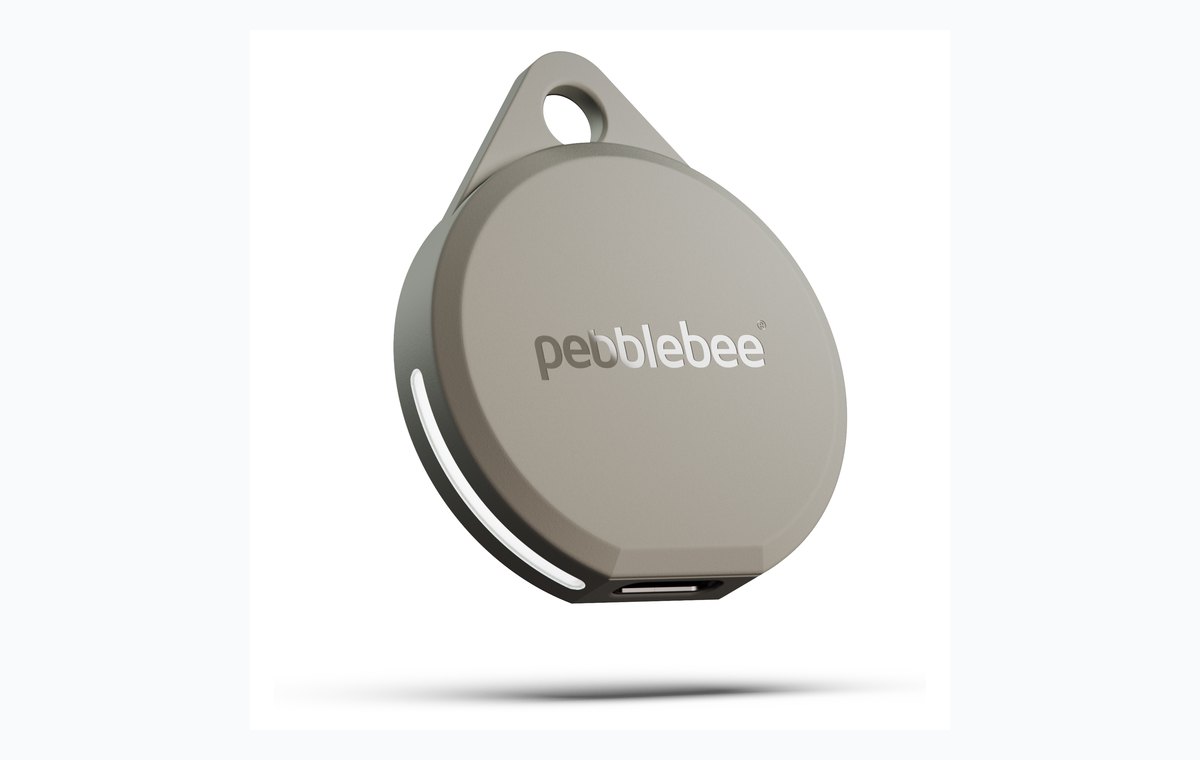 Pebblebee Clip Universal
|
Rechargeable Bluetooth tracker for Apple Find My or Find Hub on Android. |
The Clip sends out a Bluetooth signal. Nearby compatible phones detect it and report where it was seen through the network it was set up with. |
No GPS inside the Clip. No live location without nearby phones. Good as a backup, weak in empty open space. |
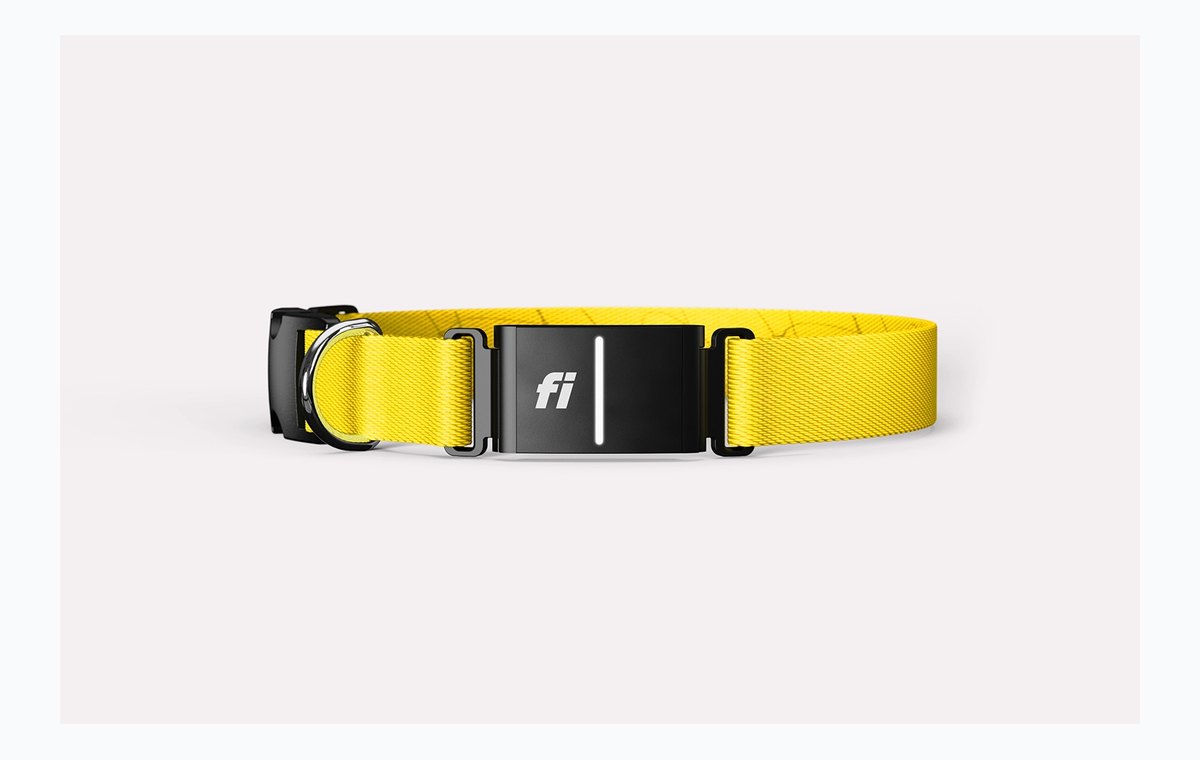 Fi Series 3+ Smart Dog Collar
|
GPS dog collar with LTE-M cellular reporting. |
The collar gets its own location from satellites, then sends that location through LTE-M to the Fi app. This is much closer to real tracking than an AirTag because the collar is producing its own GPS location. |
Needs battery, GPS sky view, an active subscription, and usable cellular coverage. Lost-dog mode can use more battery. |
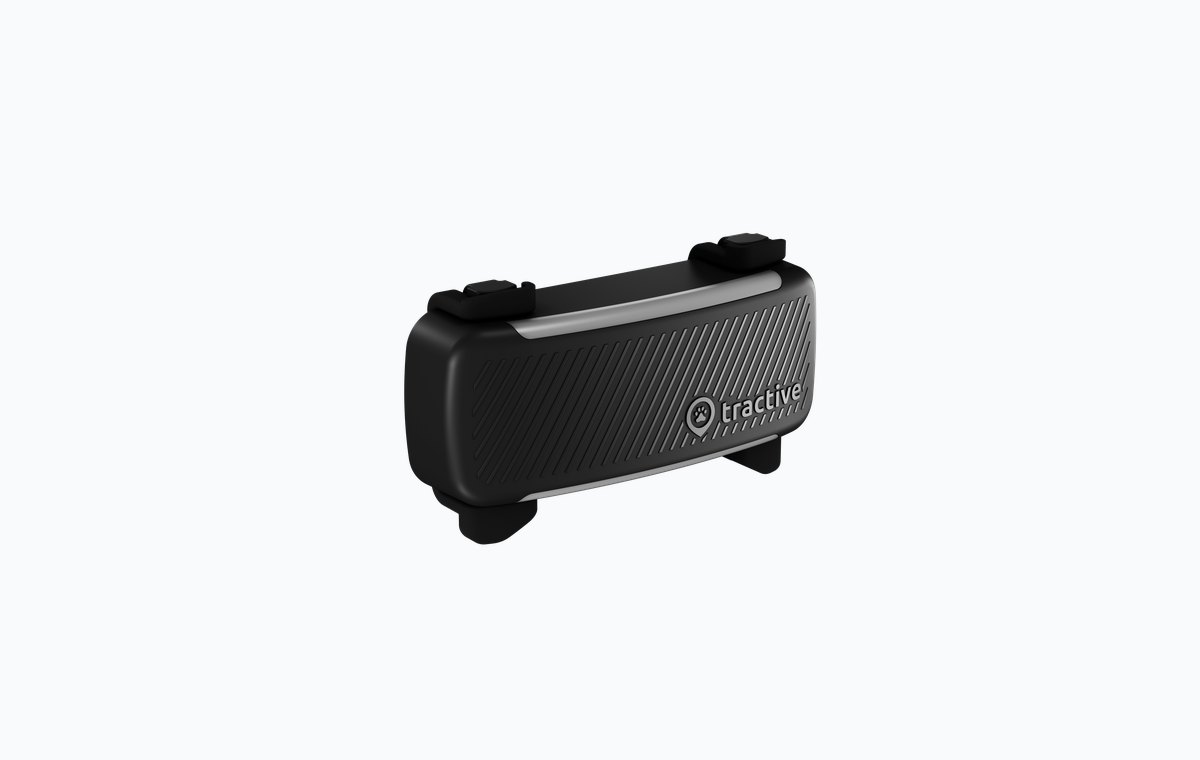 Tractive DOG 6
|
GPS dog tracker with mobile-network reporting. |
The tracker calculates location using GPS/GNSS satellites and sends updates to the Tractive app through the mobile network. |
Needs charging, subscription, cell coverage, and enough sky view for GPS. Accuracy and update speed can change with terrain, buildings, and battery settings. |
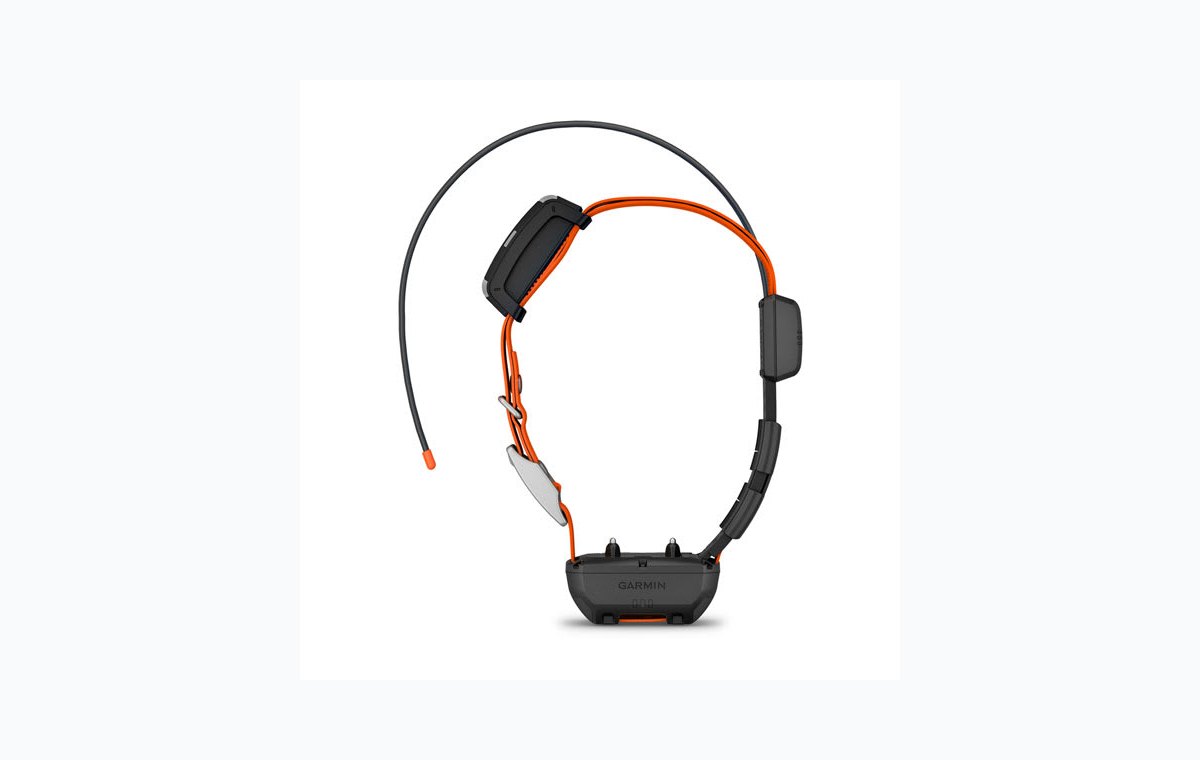 Garmin Alpha TT 25 Dog Collar
|
GPS dog collar used with a Garmin Alpha handheld system. |
The collar gets the dog's GPS location and transmits it by radio to the handler's Alpha handheld. This is the hunting-dog style system that can work where cell service is poor. |
Expensive, larger, and more specialized than a normal pet tracker. Needs the handheld receiver. Radio range depends on terrain, antennas, interference, and line of sight. |
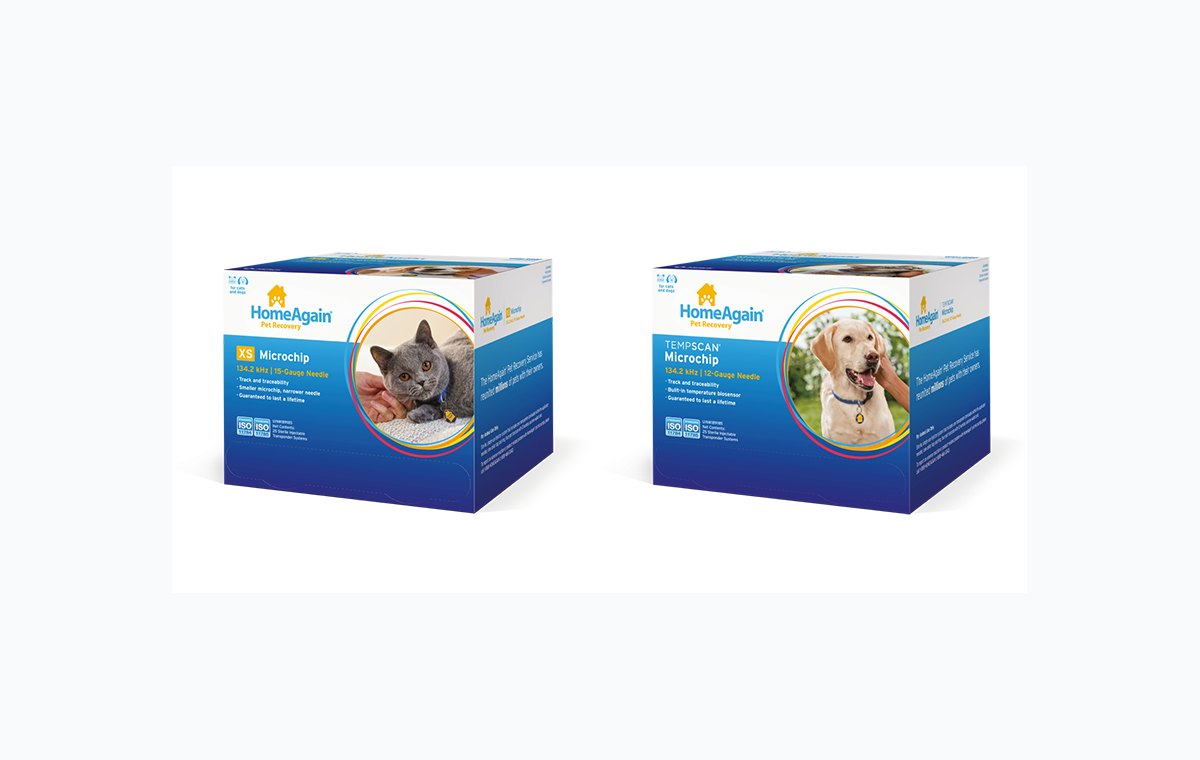 HomeAgain Microchip
|
Implanted RFID identification chip. Not a tracker. |
A scanner held close to the dog energizes the chip and reads the ID number. A shelter, vet, or rescue can look up that number if the registration is current. |
No GPS. No battery. No cellular. No app location. It helps identify a found dog, but it cannot tell you where the dog is. |
